
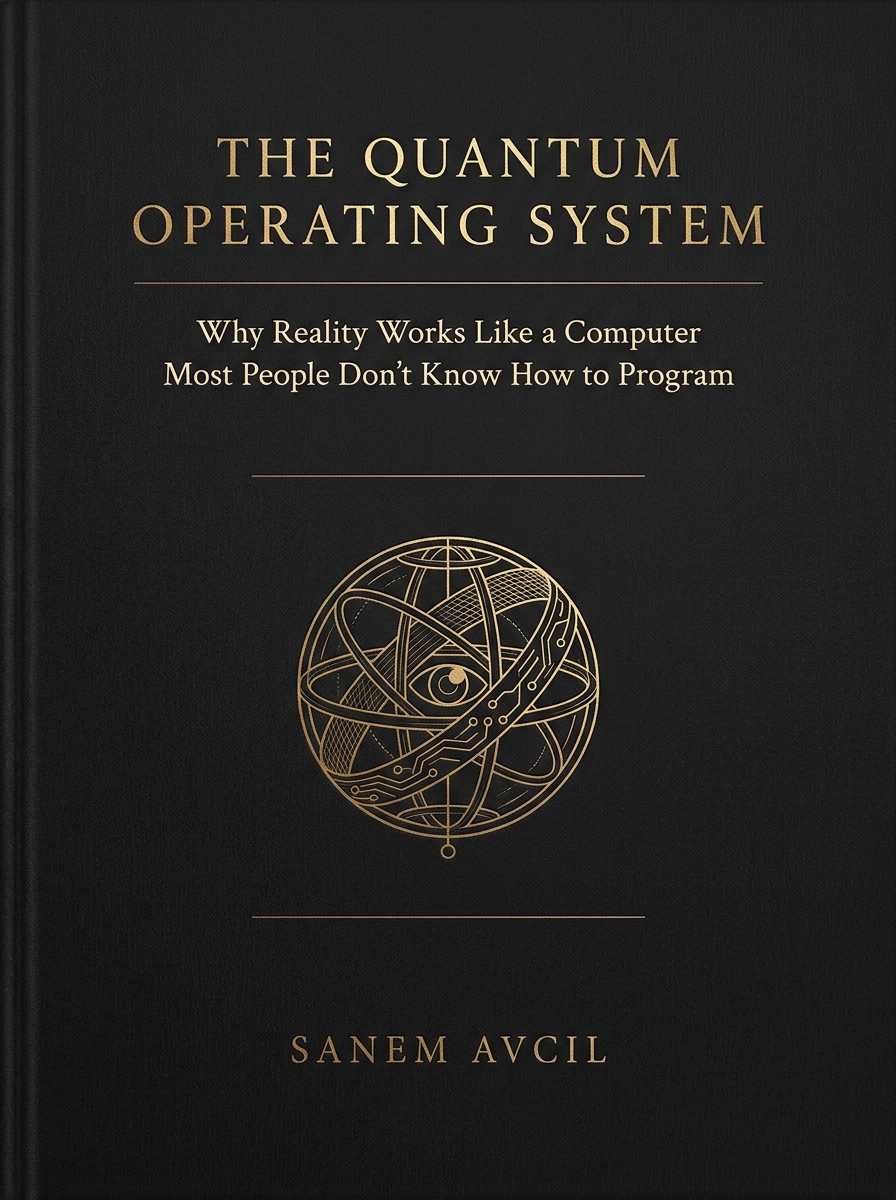
As we delve into the concept of reality functioning akin to a computer program, we must first embrace the complexities of quantum theory. This remarkable branch of physics unveils a world that operates on principles vastly different from our everyday experiences. Quantum mechanics is not merely an abstract notion confined to laboratories and theoretical discussions; it permeates our understanding of reality and decision-making. By understanding the foundational aspects of quantum theory, we can draw parallels between programming concepts and the mechanics of existence, allowing us to navigate our lives with intention and clarity.
At its core, quantum theory describes how particles behave at the smallest scales. Unlike classical physics, which operates under deterministic principles, quantum mechanics reveals a probabilistic universe. This means that rather than existing in a single state, particles can exist in multiple states simultaneously, a phenomenon known as superposition. When you consider this in relation to decision-making, it becomes clear that every choice we make can be viewed through the lens of probability. Just as a program may run various functions depending on input, our realities can shift based on the choices we make and the intentions we set.
The link between intention and reality is a crucial theme that we will explore throughout this book. The idea that our thoughts and intentions can influence the world around us is not merely philosophical; it is supported by scientific inquiry into the nature of consciousness and its interaction with the quantum realm. By recognizing that the universe responds to our intentions, we can begin to understand the power we have as creators of our own experiences. Much like a programmer who writes code to dictate the behavior of a machine, we can learn to "code" our realities through conscious choice and focused intention.